

"Despite its defeats on the battlefield, the U.S. opted to test our determination," Araghchi said on X. "Leave our region if you want to be safe. History of the Persian Gulf has many chapters on dire fates of intruding outsiders."
TEHRAN, June 10 (Xinhua) -- Iran on Wednesday said it had struck several U.S. bases in the region in retaliation for the latest wave of U.S. attacks on Iran, further straining the ceasefire after Iran and Israel traded missile attacks in a recent major escalation.
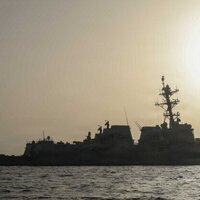
Iran's Islamic Revolution Guard Corps (IRGC) said Wednesday that it launched a drone attack on the U.S. Fifth Fleet in Bahrain in response to the U.S. attacks on southern Iran.
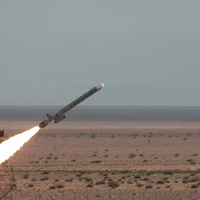
The IRGC said it also targeted Ali Al Salem Air Base in Kuwait with drones, as well as four sites at the U.S. al-Azraq base in Jordan using long-range missiles, Iranian media reported.
"In the event of continued hostility, heavier responses are on the way," the IRGC said in a statement.
The U.S. strikes began at 5 p.m. ET (2100 GMT) Tuesday, according to the U.S. Central Command, which oversees U.S. military operations in the Middle East.
The command said it struck Iranian air defense, ground control stations and surveillance radar sites near the strait with munitions from the U.S. Air Force and Navy fighter jets.
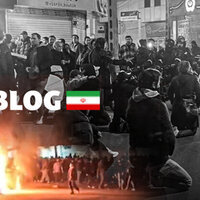
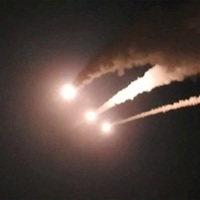
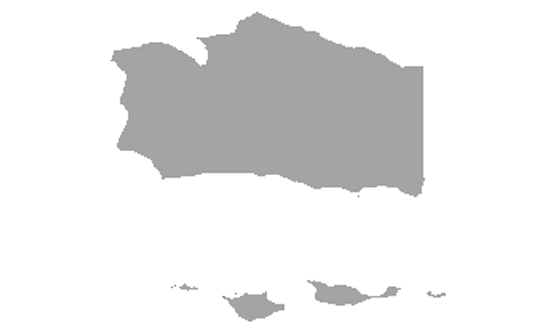
A series of explosions was reported early Wednesday in the southern Iranian port city of Bandar Abbas, as well as Qeshm Island and Sirik County, triggering the activation of air defenses, the state-run IRIB news agency said, citing sources.
Meanwhile, the IRGC said that U.S. forces attacked several locations in Jask, Sirik and Qeshm, damaging a telecommunications mast and destroying two water tanks in Sirik.
Hours later, the command said it had completed strikes against Iran, which was confirmed by the IRIB.
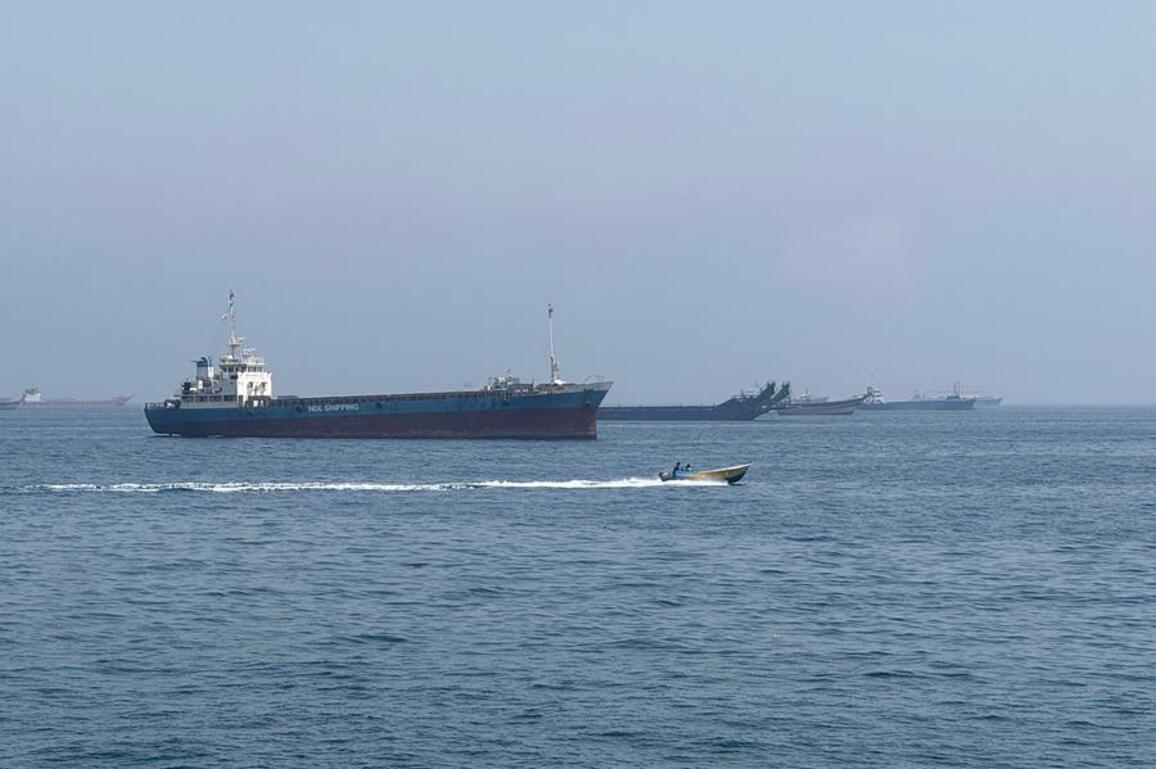
The latest wave of U.S. attacks came after President Donald Trump claimed that Tehran had shot down a U.S. Apache helicopter in the Strait of Hormuz, vowing "very strong, very powerful" response.
"I have just been informed ... that last night the Iranians shot down one of our highly sophisticated Apache helicopters while (it was) patrolling over the Strait of Hormuz," Trump said in a post on Truth Social.
Two pilots onboard the aircraft "are safe and uninjured," he said. "Nevertheless, the United States must, of necessity, respond to this attack."
However, the IRIB news agency quoted a military source as saying that "no offensive aerial military operation was carried out" over the Strait of Hormuz within the past 24 hours.
"If the enemy commits another malicious act under the pretext of a military helicopter's crash, it will face a decisive response," the source said.
Shortly after the U.S. strikes, Iran's Foreign Minister Seyed Abbas Araghchi warned that Iran "will leave no attack or threat unanswered."
"Despite its defeats on the battlefield, the U.S. opted to test our determination," Araghchi said on X. "Leave our region if you want to be safe. History of the Persian Gulf has many chapters on dire fates of intruding outsiders."
"Our Powerful Armed Forces are on constant alert for any violation of Iran's airspace, land or waters. Foreign forces in proximity to our territory are at constant risk on account of their own human errors, plain accidents, or potentially being caught in crossfire," he said.
"To reduce risk, the best solution is for foreign forces to exit, as soon as possible, an environment which will never be hospitable to a hostile presence," Araghchi said.